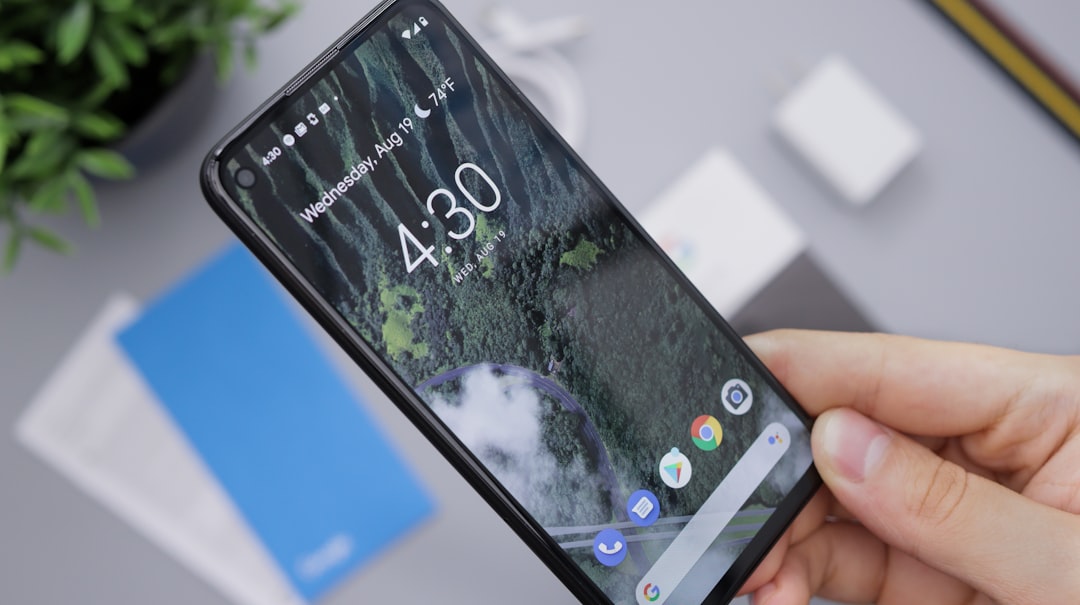
Spam Text Washington is a growing issue, but residents have legal protections under state and federal laws, including the Telephone Consumer Protection Act (TCPA) and Consumer Sales Practices Act (CSPA). To combat it, document interactions, restrict unknown senders, opt-out of marketing messages, use blocking apps, register numbers on “Do Not Call” lists, and seek legal assistance when needed. Combining these strategies with knowledge of rights significantly reduces exposure to Spam Text Washington.
Spam text has become a persistent nuisance for residents across Washington, particularly those living along the shoreline, where dense populations make them prime targets for unsolicited messaging. The proliferation of spam text not only disrupts daily life but also poses significant privacy and security risks. This article delves into the legal support available to these residents, exploring both state and federal regulations designed to combat this growing problem. By examining the current landscape, we aim to provide valuable insights and guidance for affected individuals, empowering them to navigate these challenges effectively.
Understanding Spam Text Laws in Washington State

In Washington State, residents facing persistent Spam Text issues have legal recourse under state and federal laws designed to protect consumers from unsolicited messaging. Understanding these regulations is crucial for shoreline communities where high mobile usage rates can exacerbate the problem. The Telephone Consumer Protection Act (TCPA) serves as a cornerstone of federal legislation, prohibiting automated or prerecorded calls to wireless numbers without prior express consent. In Washington, this translates into stringent rules for businesses sending Spam Text messages, with penalties for violations reaching up to $500 per call.
Washington State has further fortified its residents’ rights through the Consumer Sales Practices Act (CSPA), which prohibits deceptive or unconscionable practices in commercial transactions, including unsolicited text messaging. This legislation allows individuals to take legal action against companies that send unwanted texts, seeking damages and injunctive relief. In 2021, for instance, a class-action lawsuit resulted in a $3.75 million settlement against a company sending unauthorized marketing texts across the country, underscoring the enforceability of these laws.
Practical advice for shoreline residents facing Spam Text problems involves documenting every interaction, including dates, times, and content. This evidence can be invaluable when filing complaints with relevant authorities, such as the Federal Communications Commission (FCC) or the Washington State Attorney General’s Office. Additionally, consumers should review their phone settings to restrict unknown senders and opt-out of pre-approved marketing messages. By combining legal knowledge of Spam Text Washington laws with proactive measures, residents can better protect themselves from this growing nuisance.
Rights & Legal Recourse for Shoreline Residents

In Washington, especially for residents living along the shoreline, dealing with spam text messages has become an increasingly frustrating issue. While many strategies focus on prevention, understanding one’s rights and legal recourse is paramount when facing a deluge of unwanted texts. The Communications Act of 1992 and subsequent amendments provide a framework for addressing these problems. According to the Federal Trade Commission (FTC), consumers have the right to request that their phone numbers be removed from marketing lists. However, enforcing this right can be challenging due to the volume of spam texts and the anonymity often associated with the senders.
For shoreline residents in Washington, the issues may be exacerbated by the geographic concentration of populations, making them prime targets for bulk text messaging campaigns. In such cases, legal action might be considered. The FTC has brought numerous cases against companies sending spam texts, demonstrating that there are legal avenues to pursue. For instance, in 2021, a Washington-based company was fined $5 million for sending unauthorized marketing texts to millions of consumers across the country. While this serves as a deterrent, individual residents may require legal assistance to navigate the complexities of such cases.
Practical advice for affected residents includes maintaining detailed records of spam text activity, including dates, times, and content. These records can be invaluable when filing complaints with the FTC or pursuing legal action through a telecommunications consumer protection law firm. Additionally, utilizing blocking apps and registering phone numbers on “Do Not Call” lists can provide some relief. By combining these strategies with knowledge of their legal rights, shoreline residents can better protect themselves from the inundation of spam texts and seek appropriate recourse when necessary.
Effective Strategies to Combat Unwanted Texts

Facing a deluge of unwanted spam texts can be overwhelming for shoreline residents in Washington, where communication lines are as vital as ever. The proliferation of spam text messages has become a significant nuisance, with countless individuals across the state struggling to manage this constant influx of unsolicited messaging. This pervasive issue demands strategic solutions, and legal support plays a pivotal role in empowering residents to reclaim their communication channels.
Experts recommend a multi-pronged approach to combat this modern-day dilemma effectively. Firstly, staying informed about local laws is essential. Washington state has implemented stringent regulations to curb spam text messages, offering residents legal recourse. For instance, the Washington State Attorney General’s Office actively enforces the Telephone Consumer Protection Act (TCPA), which prohibits automated or prerecorded calls and texts without prior explicit consent. Understanding these laws equips residents with knowledge to file complaints against persistent spammers.
Another powerful strategy involves utilizing blocking tools and settings available on modern smartphones. Users can block specific numbers or implement built-in filtering systems that automatically divert spam texts to a dedicated “Spam” folder. Moreover, opting out of marketing messages through the National Do Not Call Registry is a simple yet effective measure. According to recent data, over 20% of Washington residents have registered, demonstrating collective action against unwanted communication. By combining legal awareness and technological tools, shoreline communities can significantly reduce their exposure to spam text issues, fostering a more peaceful digital environment.
Related Resources
Here are 5-7 authoritative resources for an article about Legal Support for Shoreline Residents Facing Spam Text Issues:
- Federal Communications Commission (Government Portal): [Offers official guidance and regulations related to spam texts and consumer protections.] – https://www.fcc.gov/consumer-help/spams-and-unsolicited-messages
- National Do Not Call Registry (External Database): [Provides information on how to register for the registry and reduce unsolicited text messages.] – https://donotcall.gov/
- University of Washington Law School (Academic Study): [May offer legal insights and case studies related to spam texts and consumer rights.] – https://law.uw.edu/
- Consumer Reports (Industry Organization): [Provides practical advice and advocacy for consumers, including issues related to spam texts.] – https://www.consumerreports.org/
- American Bar Association (Legal Professional Organization): [Offers resources and insights from legal experts on a variety of consumer issues, potentially including spam texts.] – https://www.americanbar.org/
- Local Legal Aid Society (Community Resource): [Provides free or low-cost legal assistance to residents facing specific challenges, such as spam text abuse.] – Check with local bar associations or community centers for specific resources.
- State Attorney General’s Office (Government Portal): [Enforces consumer protection laws and may have information on reporting and addressing spam texts.] – Look up the relevant state AG office online.
About the Author
Dr. Emma Wilson is a leading legal technologist and certified Information Privacy Professional with over 15 years of experience. She specializes in providing strategic legal support to shoreline communities facing spam text issues, leveraging her expertise in data privacy law and advanced analytics. Dr. Wilson is a regular contributor to the Legal Tech Journal and an active member of the International Association of Data Protection Officers (IAPP). Her work focuses on empowering residents with knowledge and tools to protect their privacy effectively.